
Key takeaways
Slow breathing, at 10 breaths per minute or fewer, is one of the most studied drug-free ways to lower blood pressure. It activates the parasympathetic nervous system and makes the baroreceptor reflex more sensitive. The effect is modest but measurable, and it adds to prescribed treatment rather than replacing it.
- −5.6 mmHg systolic and −3.0 mmHg diastolic on average across 17 randomized trials (Chaddha et al., 2019).
- Simple routine: inhale for 5 seconds, exhale for 5, for 5 minutes twice a day.
- Track it: upper-arm monitor, morning readings, review after 4 weeks.
- Only your doctor should adjust your medication.
Introduction: the silent killer and a free ally
Hypertension is the number one risk factor for mortality worldwide. It affects 1.3 billion people — half of whom don't know it. It kills silently: heart attack, stroke, kidney failure, vascular dementia. Antihypertensive medications work, but they have side effects (fatigue, dizziness, erectile dysfunction, cough) and often must be taken for life.
What if a few minutes of slow breathing a day could help lower your blood pressure? Clinical trials published in medical journals have measured it: the effect is modest but real, and slow breathing is among the most studied non-drug approaches to hypertension.
Understanding blood pressure
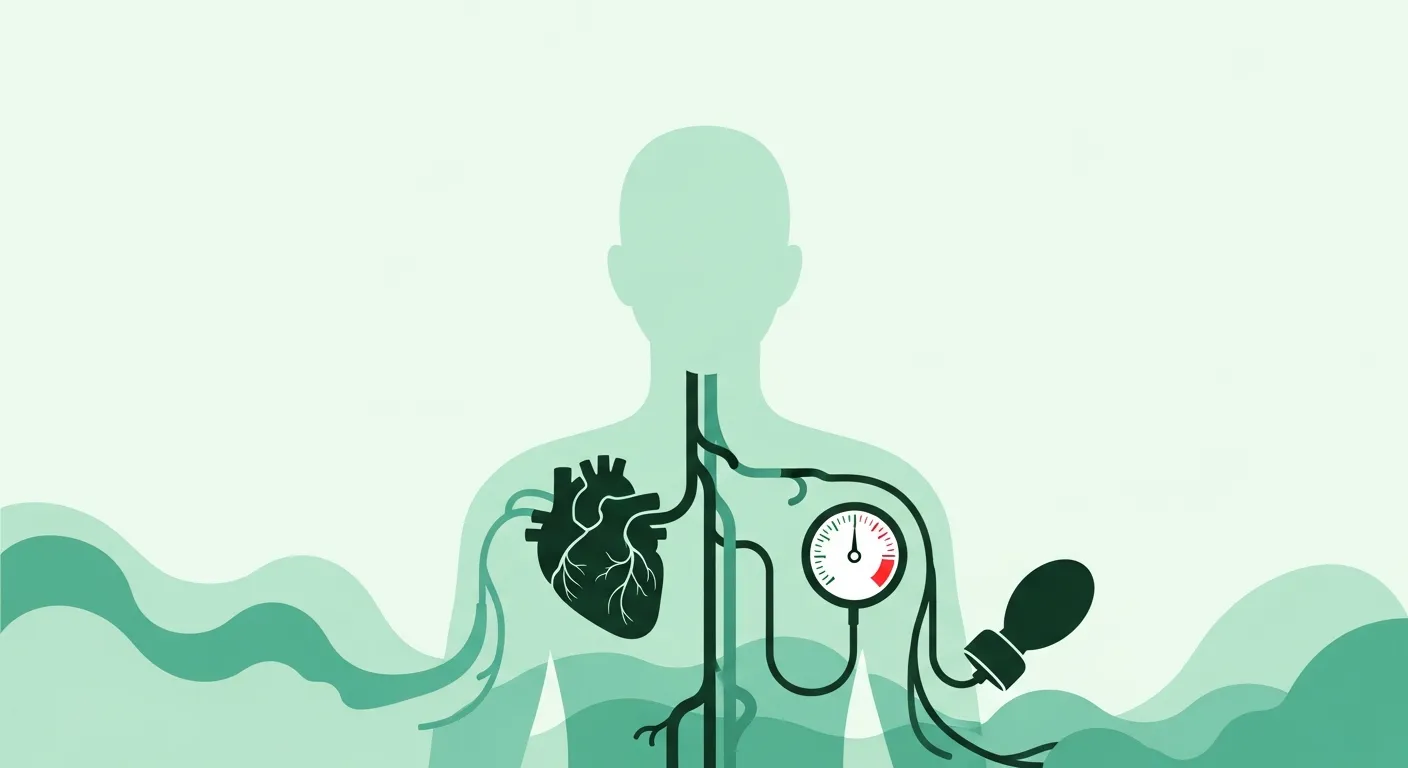
Your blood pressure is expressed as two numbers: systolic/diastolic (for example 130/85 mmHg). Systolic is the pressure when the heart contracts, diastolic when it relaxes.
- Normal: < 120/80 mmHg
- Elevated: 120-129/< 80 mmHg
- Hypertension Stage 1: 130-139/80-89 mmHg
- Hypertension Stage 2: ≥ 140/90 mmHg
Blood pressure is regulated by three mechanisms that breathing directly influences:
- The autonomic nervous system: the sympathetic increases pressure (vasoconstriction, cardiac acceleration), the parasympathetic reduces it (vasodilation, cardiac slowing).
- The renin-angiotensin-aldosterone system (RAAS): chronic stress activates this system, increasing salt and water retention, raising blood volume and pressure.
- Baroreceptors: pressure sensors in the aorta and carotids that adjust pressure in real-time. Slow breathing "recalibrates" these sensors.
The scientific evidence
The IMST 2021 study (University of Colorado)
A recent, widely noticed study. Published in the Journal of the American Heart Association, it tested Inspiratory Muscle Strength Training (IMST) — resistance breathing training for 5 minutes per day for 6 weeks in adults over 50 with elevated blood pressure.
Results:
- Systolic drop of 9 mmHg on average.
- Endothelial function improvement of 45% (vessels' ability to dilate).
- Reduction in vascular oxidative stress.
- About 75% of the systolic drop was still present 6 weeks after stopping training.
Note: this is training with an inspiratory resistance device (30 breaths a day against a resistance of 75% of maximal inspiratory pressure, 6 days a week), compared with sham training at very low resistance, in 36 people over 6 weeks. The result is promising but needs confirmation in larger groups.
The 2019 meta-analysis (17 randomized trials)
A meta-analysis published in 2019 in Complementary Therapies in Medicine (Chaddha et al.) pooled 17 randomized trials of slow breathing (10 breaths per minute or fewer, at least 5 minutes, 3 days a week, for at least 4 weeks), device-guided or not, in people with hypertension or prehypertension:
- Average systolic reduction: −5.6 mmHg (confidence interval: −7.9 to −3.4).
- Average diastolic reduction: −3.0 mmHg (confidence interval: −4.3 to −1.7).
- Results vary a lot between studies: the authors describe the reduction as modest.
- In their view, it is a reasonable first step for people at low cardiovascular risk who are reluctant to start medication, to be discussed with their doctor.
The RESPeRATE device
RESPeRATE is a guided breathing device cleared by the US FDA as an adjunct to hypertension treatment. It guides users toward slow breathing (< 10/min) with prolonged exhalation. A meta-analysis of 8 trials (494 patients, Mahtani et al., 2012) found an average reduction of 3.7 mmHg systolic and 2.5 mmHg diastolic, but no significant effect once the 5 trials sponsored by or involving the manufacturer were excluded. The trials lasted no more than 9 weeks: longer, independent studies are still needed.
Why slow breathing lowers blood pressure
Several mechanisms converge:
- Vagus nerve activation: slow breathing (< 10/min) activates the parasympathetic, reducing heart rate and causing vasodilation.
- Baroreceptor sensitivity: in people with hypertension, a few minutes of slow breathing increase baroreflex sensitivity and lower blood pressure (Joseph et al., 2005). Regular practice is thought to contribute in this way to lower resting blood pressure.
- Nitric oxide: NO is a vasodilator; in the IMST study, training increased its availability in blood vessels. The role of nose-produced NO on blood pressure remains hypothetical.
- Improved heart rate variability (HRV): high HRV is associated with better blood pressure regulation. Slow breathing is one of the simplest ways to increase HRV (Laborde et al., 2022).
Practical protocols
The "5-minute anti-hypertension" protocol
Let's be honest: the IMST results were obtained with an inspiratory resistance device, and an exercise without a device does not reproduce that training. If IMST interests you, ask your doctor or a physiotherapist. Without a device, here is slow breathing at 6 breaths per minute, the approach evaluated in the 2019 meta-analysis:
- Sit comfortably, feet on floor.
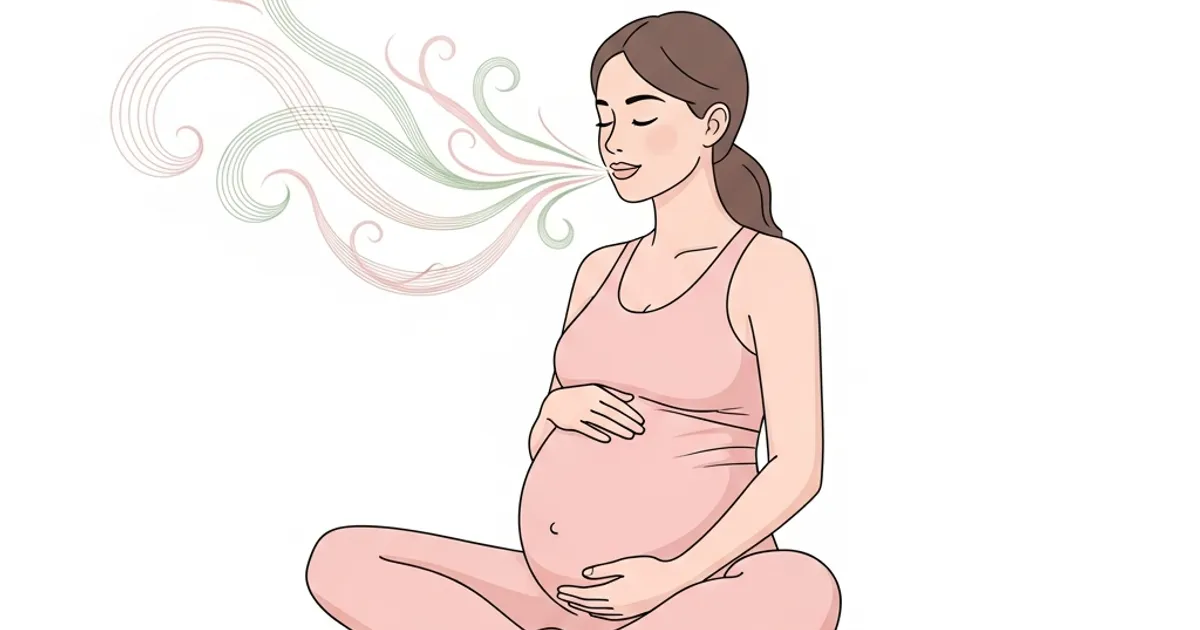
- Inhale calmly through your nose for 5 seconds, letting your belly expand.
- Exhale through your nose for 5 seconds.
- 6 breaths per minute for 5 minutes.
- Twice daily: upon waking and before bed.
The "cardiac coherence for hypertension" protocol
- 4-6 breathing: inhale 4 seconds, exhale 6 seconds (see our cardiac coherence guide) (longer exhale maximizes parasympathetic effect).
- 15 minutes per day, in 3 sessions of 5 minutes (morning, noon, evening).
- Duration: several weeks of regular practice; the trials cited lasted at least a month.
The "nighttime breathing" protocol
Nocturnal hypertension ("non-dipping") is a major cardiovascular risk factor:
- 10 minutes of 4-8 breathing (inhale 4s, exhale 8s) before bed.
- If possible, breathe exclusively through your nose during the night.
Breathing vs medications: what you need to know
Let's be clear: breathing does not replace medications. Here's how it compares, as a rough order of magnitude (figures vary with dose and individual):
- ACE inhibitors: average reduction of 8-10 mmHg. Side effects: dry cough (10-15%), dizziness, hyperkalemia.
- Thiazide diuretics: reduction of 8-15 mmHg. Side effects: dehydration, hypokalemia, gout, erectile dysfunction.
- Beta-blockers: reduction of 5-10 mmHg. Side effects: fatigue, bradycardia, weight gain.
- Slow breathing: average systolic reduction of about 5 to 6 mmHg in trials (Chaddha et al., 2019). No notable adverse effects reported. Cost: free. It adds to treatment, it does not replace it.
Breathing is particularly worthwhile:
- For elevated blood pressure or mild hypertension: alongside other lifestyle measures (physical activity, less salt, weight), with medical follow-up.
- For "white coat" hypertension (pressure that rises at the doctor's office): a few minutes of slow breathing before the measurement help you arrive more relaxed; they don't replace the 5 minutes of rest required before any measurement.
- Alongside medication: the reduction adds to that of treatment. Only your doctor can decide to adjust doses.
- For resistant hypertension (when 3 or more medications aren't enough): it can be tried as a complement, with your doctor's agreement, with no guarantee of benefit.
How to track your progress
To follow breathing's effect on your blood pressure:
- Buy a validated automatic blood pressure monitor (arm, not wrist). Cost: $30-60.
- Measure in the morning upon waking, before coffee, after 5 minutes sitting. 3 measurements spaced 1 minute apart, note the average of the last 2.
- Keep a journal: note date, time, blood pressure, and whether you practiced breathing.
- Evaluate after 4 weeks: a 5 mmHg drop is clinically significant.
Conclusion
Slow breathing is one of the most studied natural approaches to hypertension. A few minutes, several times a week and for at least a month in the studies, for a modest but measurable drop, alongside medical care and never instead of prescribed treatment. If you're among the 1.3 billion people affected by hypertension, slow breathing is a simple complement, with no notable risk, that is worth trying. Talk to your doctor and start today.