
Introduction: breathing in service of recovery
Addiction — to tobacco, alcohol, drugs, screens — is one of the biggest public health challenges. Standard treatments (nicotine substitutes, medications, psychotherapy) are essential, but relapse remains common, especially in the first year. More and more programs integrate conscious breathing and mindfulness as complementary tools, with early results that are encouraging but still modest.
The idea isn't that breathing "cures" addiction. But it acts on three fundamental mechanisms: managing cravings, regulating withdrawal stress, and restoring the brain's natural reward system.
Why it works: the mechanisms
1. Short-circuiting cravings
A craving often behaves like a wave: it rises, peaks, then subsides within minutes. That's long when the urge is intense, but it's finite. Breathing offers a "filler" for these crucial minutes:
- It occupies conscious attention (you can't focus on a breathing technique AND the craving simultaneously).
- Slow breathing supports vagus nerve and parasympathetic activity, which helps ease the physical tension that amplifies cravings under stress.
- It restores a sense of control: a small win achieved without substances.
2. Managing withdrawal stress
Withdrawal is a state of chronic stress: irritability, insomnia, anxiety, tremors. The sympathetic nervous system is in overdrive. Slow breathing — by supporting the parasympathetic system — is a simple way to help the body calm down, for example with a few minutes of daily cardiac coherence. The evidence is still limited: a meta-analysis of 9 trials of mindfulness-based relapse prevention, which relies in part on breath awareness, found a small effect on cravings and withdrawal symptoms, with low-quality evidence (Grant et al., 2017).
3. Restoring the reward system
Addiction disrupts the brain's reward system (notably dopamine signaling). After withdrawal, the person often feels "flat," without pleasure — an important relapse factor. Finding moments of relaxation and energy without substances is part of recovery: some people find them in more dynamic breathing practices (like the Wim Hof method), but no study has shown that these practices "restore" that system.
Specific techniques
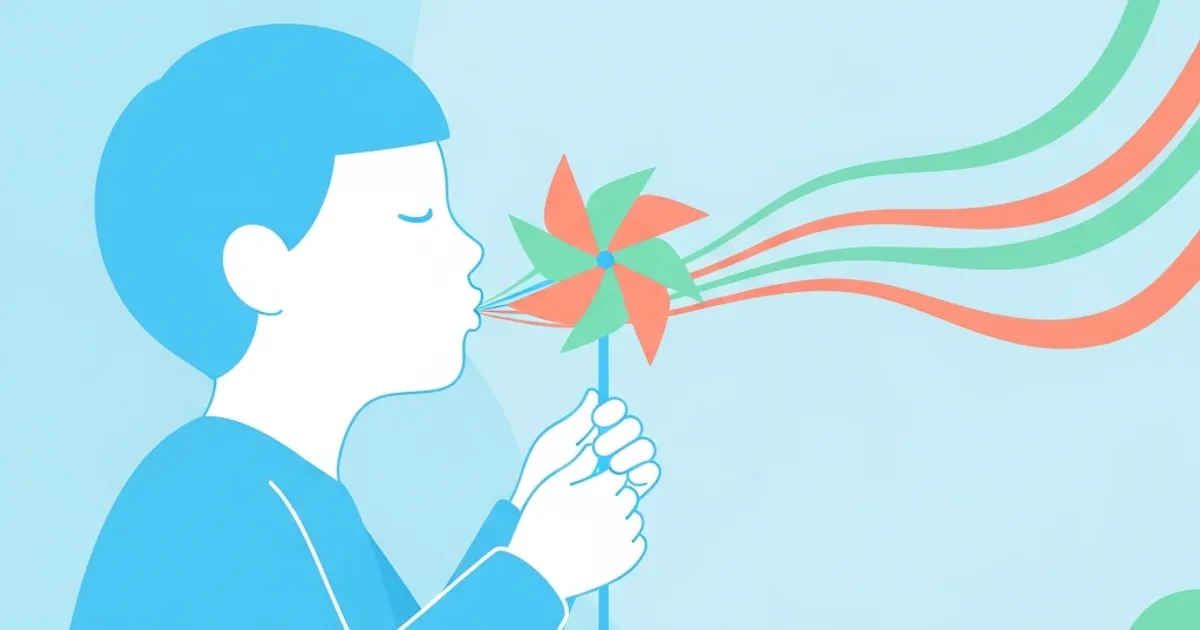
SOS Craving: 5-5-5 breathing
When the urge rises:
- 5 deep inhales through the nose (3 seconds each).
- 5 long exhales through the mouth (5 seconds each).
- 5 normal breaths observing the urge without giving in.
Total duration: about 2 minutes — often enough for the craving to pass its peak.
Daily anti-relapse session
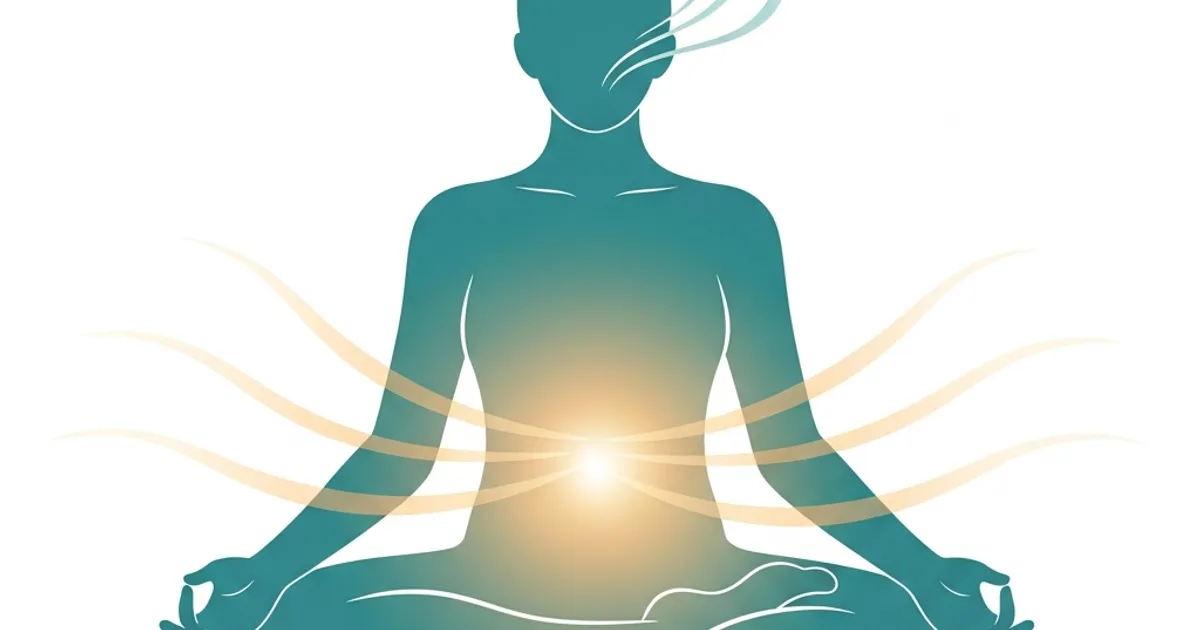
Morning and evening, 10 minutes of cardiac coherence (5s inhale, 5s exhale). This can help lower stress and improve sleep — two important factors for preventing relapse.
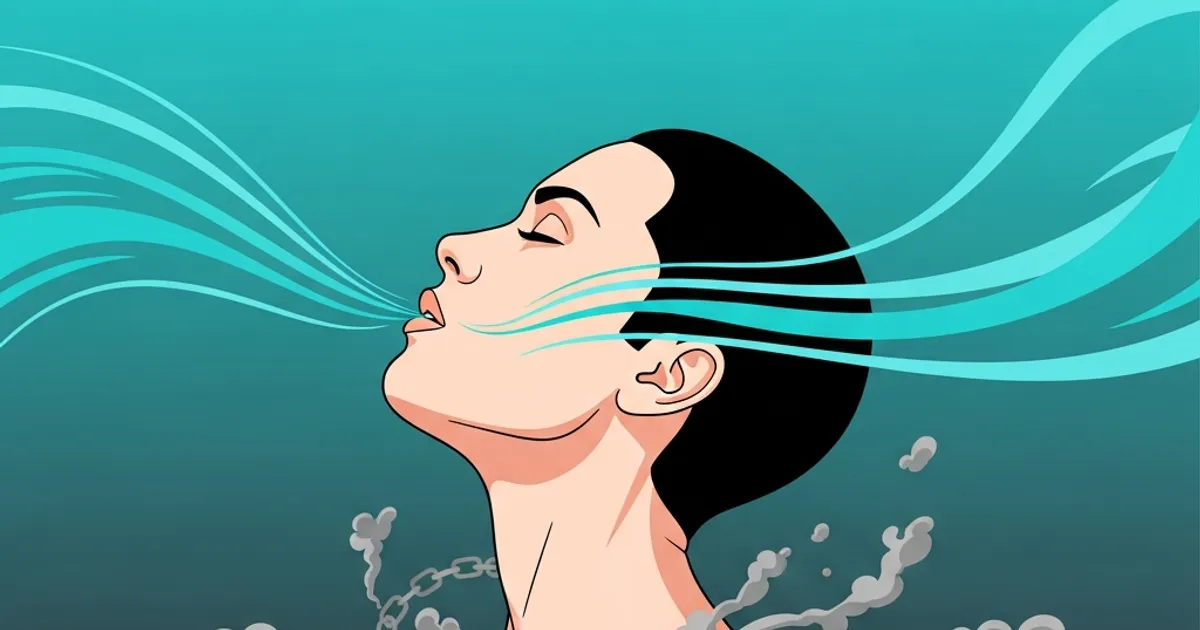
Emotional release breathwork
Addiction often masks untreated emotions (trauma, shame, loneliness). Emotional breathwork — under professional guidance — can help access these deep layers and release them without substances. It's a powerful complementary approach but should be professionally guided.
Special case: tobacco
Tobacco is the most widespread and deadliest addiction. Breathing plays a unique role:
- Smoking is a breathing exercise (deep inhale, pause, slow exhale). Replacing cigarettes with a breathing exercise reproduces the gesture and sensation without nicotine.
- Nasal breathing filters, warms and humidifies the air: a comfort for airways irritated by smoke.
- After quitting, coughing and breathlessness usually decrease over the following weeks and months; daily breathing exercises help you notice that progress.
Important precautions
- Breathing doesn't replace medical or psychological follow-up. It complements it.
- Some intense techniques (Wim Hof, hyperventilation) can trigger strong emotions or flashbacks in traumatized individuals — practice only under professional guidance.
- For severe dependence (alcohol, opioids, benzodiazepines), withdrawal must be medically supervised. Breathing is a complement, not a replacement.
Conclusion
Breathing isn't a miracle cure for addiction. But it's a precious tool, always available, free and safe in its gentle forms, that helps navigate withdrawal's most difficult moments. When cravings rise, when stress overflows, when sleep flees — breathe. Every craving overcome through breathing is a victory that makes the next one a little easier.