
Key takeaways
Obstructive sleep apnea is a disorder in which the upper airway closes during sleep, stopping your breathing for 10 seconds to more than a minute, sometimes hundreds of times a night. CPAP remains the standard treatment for severe cases; breathing exercises for sleep apnea are a complement, used with your doctor.
- More common with age: 19.7% of 45 to 64-year-olds and 30.5% of people over 65 in France (Inserm).
- Myofunctional exercises cut the apnea-hypopnea index by about 50% in adults, in small studies (Camacho et al., 2015).
- Nasal breathing and side sleeping are two simple habits that often help.
- See a doctor if someone notices pauses in your breathing at night.
Introduction: the silent epidemic
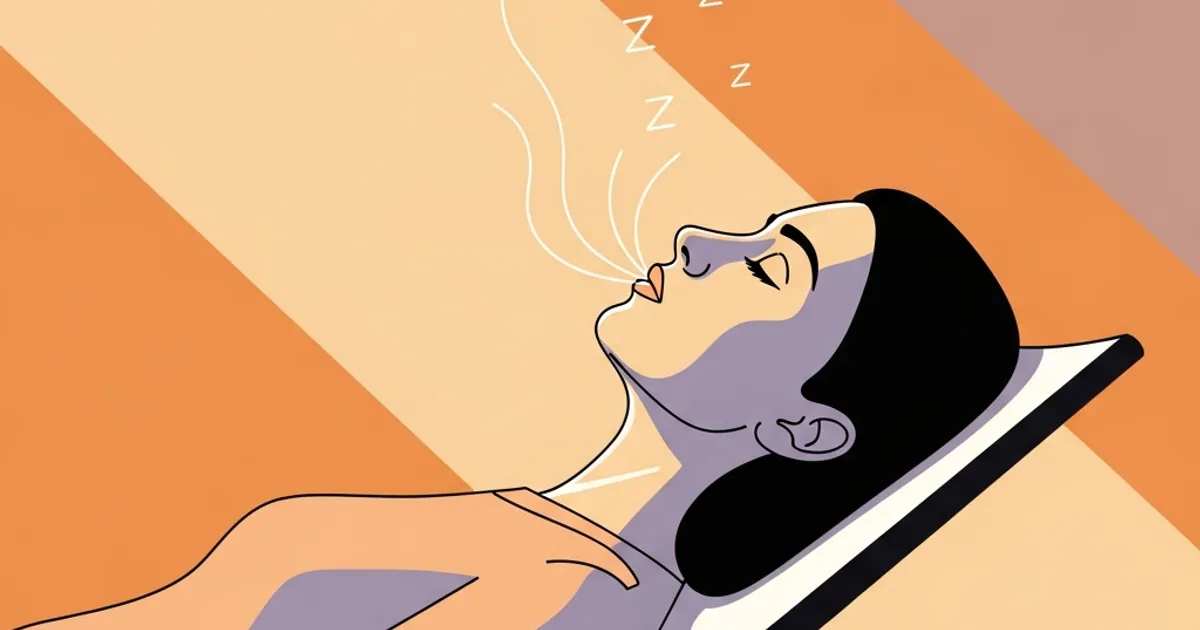
Every night, millions of people stop breathing — literally. Obstructive sleep apnea (OSA) is a disorder in which the upper airways partially or completely close during sleep, interrupting breathing for 10 seconds to over a minute, sometimes hundreds of times per night.
The numbers are alarming: according to a global estimate (Benjafield et al., 2019), nearly one billion adults aged 30 to 69 have obstructive sleep apnea, 425 million of them in a moderate to severe form. In France, Inserm reports that it becomes more common with age: 7.9% of 20-44-year-olds, 19.7% of 45-64-year-olds, and 30.5% of people over 65. The majority don't know it. The consequences are significant: chronic fatigue, hypertension, increased cardiovascular risk, concentration problems, depression, and traffic accidents.
CPAP (Continuous Positive Airway Pressure) remains the gold standard treatment for severe forms. But for mild to moderate apnea — and as a complement to any prescribed treatment — respiratory retraining offers encouraging results, still based on small studies.
Understanding sleep apnea
There are three types of sleep apnea:
- Obstructive apnea (OSA): by far the most common. The soft tissues of the pharynx collapse during sleep, blocking airflow. The body continues trying to breathe, but air can't get through.
- Central apnea: the brain "forgets" to send the breathing signal. Less common, often linked to neurological or cardiac problems.
- Mixed apnea: a combination of both.
Obstructive apnea follows a predictable cycle:
- During sleep, the pharyngeal muscles relax.
- The tongue and soft tissues fall backward, narrowing the airways.
- Air passes with increasing difficulty (hypopnea) then stops entirely (apnea).
- Blood oxygen levels drop. The brain triggers a micro-awakening to reopen the airways.
- Breathing resumes with a loud snore or gasp.
- The cycle restarts — up to 60 times per hour in severe cases.
Signs you shouldn't ignore
Sleep apnea is often diagnosed by a bed partner, not the patient themselves. Here are the warning signs:
Nighttime signs
- Loud, irregular snoring: apnea snoring isn't regular — it's interrupted by silences (the apneas) followed by loud resumptions.
- Observed breathing pauses: your partner notices you stop breathing.
- Startled awakenings: feelings of choking or suffocation during the night.
- Nocturia: frequent need to urinate at night (apnea stimulates natriuretic hormone production).
- Night sweats: respiratory efforts against closed airways cause excessive sweating.
Daytime signs
- Persistent fatigue: despite 7-8 hours of sleep, you're exhausted upon waking.
- Morning headaches: linked to nighttime oxygen drops and CO₂ accumulation.
- Concentration difficulties: fragmented sleep prevents the deep sleep cycles needed for memory consolidation.
- Irritability and mood swings: sleep debt directly affects emotional regulation.
- Drowsy driving: one of the most dangerous risks — untreated apnea clearly increases the risk of traffic accidents (1.2 to 4.9 times higher according to a meta-analysis, Tregear et al., 2009).
Mouth breathing: a major aggravating factor
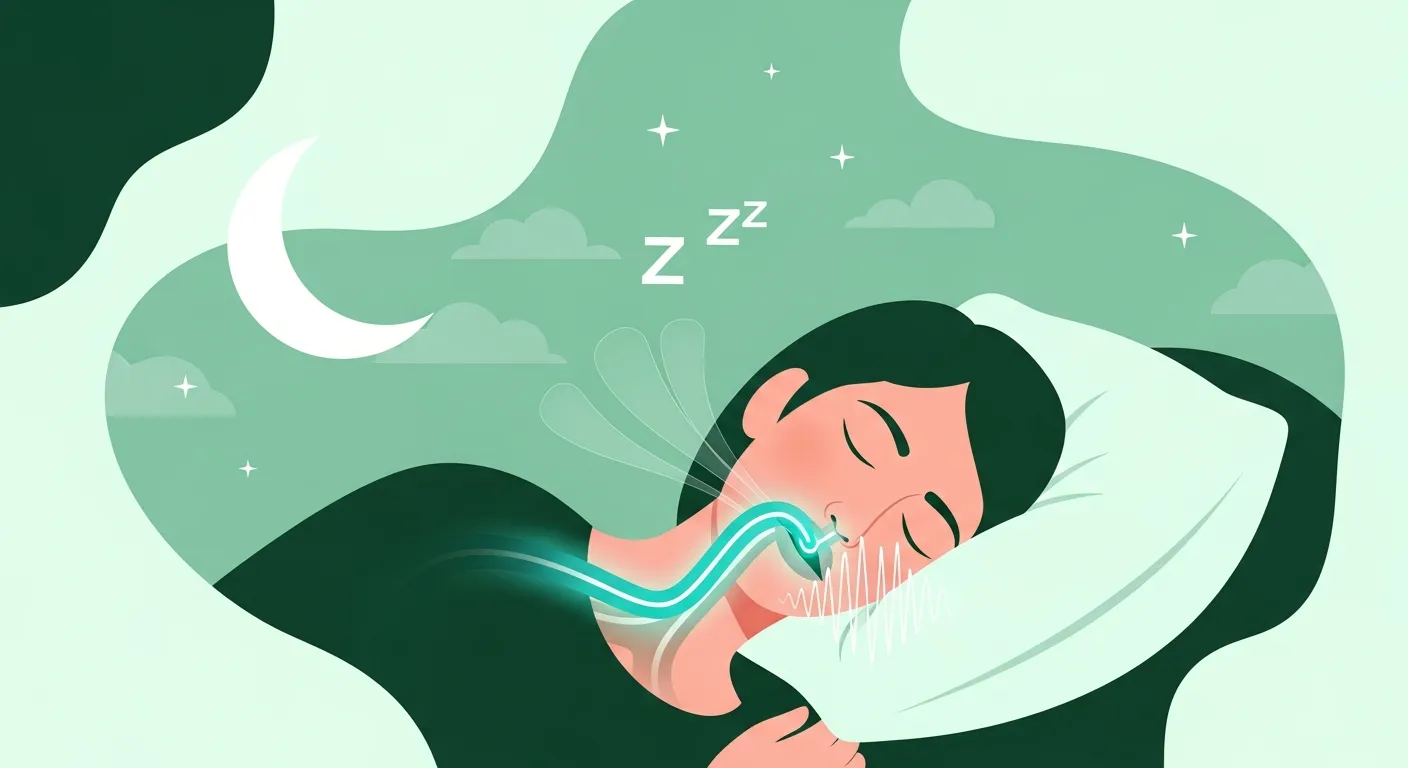
Mouth breathing is frequently associated with sleep apnea and can make it worse. When you breathe through your mouth at night:
- The lower jaw falls back, narrowing the pharyngeal space.
- The tongue loses tone and falls backward.
- The soft palate tissues vibrate (snoring) then collapse (apnea).
- Unfiltered, unhumidified air irritates and inflames the airways, increasing their tendency to obstruct.
Switching to nighttime nasal breathing is often a useful first step: with the mouth closed, the jaw and tongue stay in a position that is more favorable to airflow. If your nose is often blocked, have it examined: nasal obstruction can be treated.
Myofunctional exercises: strengthening your airways
Orofacial myofunctional therapy involves strengthening the muscles of the tongue, palate, pharynx, and face. A meta-analysis published in Sleep (Camacho et al., 2015) showed these exercises reduce the apnea-hypopnea index by about 50% in adults and 62% in children — in small samples (9 studies, 120 adults).
Exercise 1: tongue strengthening
- Place the tip of your tongue against the palate, just behind the upper incisors.
- Press the entire tongue firmly against the palate for 5 seconds.
- Release. Repeat 20 times.
- Practice 3 times daily.
Exercise 2: tongue sweep
- Run the tip of your tongue along the palate, from front to back, maintaining firm pressure.
- Repeat 20 times.
Exercise 3: the "tiger"
- Open your mouth as wide as possible.
- Stick your tongue out as far as possible toward your chin.
- Hold for 10 seconds. Repeat 10 times.
Exercise 4: cheek puffing
- Puff your cheeks by trapping air in your mouth.
- Transfer the air from one cheek to the other, 20 times.
- Then suck your cheeks inward and hold for 10 seconds. Repeat 5 times.
Exercise 5: singing
A randomized trial at the Exeter hospital (Hilton et al., 2013) showed that 3 months of daily singing exercises (20 minutes) reduce snoring frequency and daytime sleepiness in snorers; the effect on apnea itself has not been established. Singing works the muscles of the soft palate and pharynx. Sing in the shower, in the car — consistency is what matters.
Conscious breathing protocols for apnea
Before bed: preparing the airways
- Nasal wash: use a saline spray or neti pot to clear nasal passages.
- Decongestion exercise: exhale normally, pinch your nose, walk 15-20 steps while holding your breath. Release and breathe gently through your nose. Repeat 5 times. Taken from the Buteyko method, this exercise often helps clear the nose; its mechanism has not been demonstrated. Avoid it if you have a heart or respiratory condition.
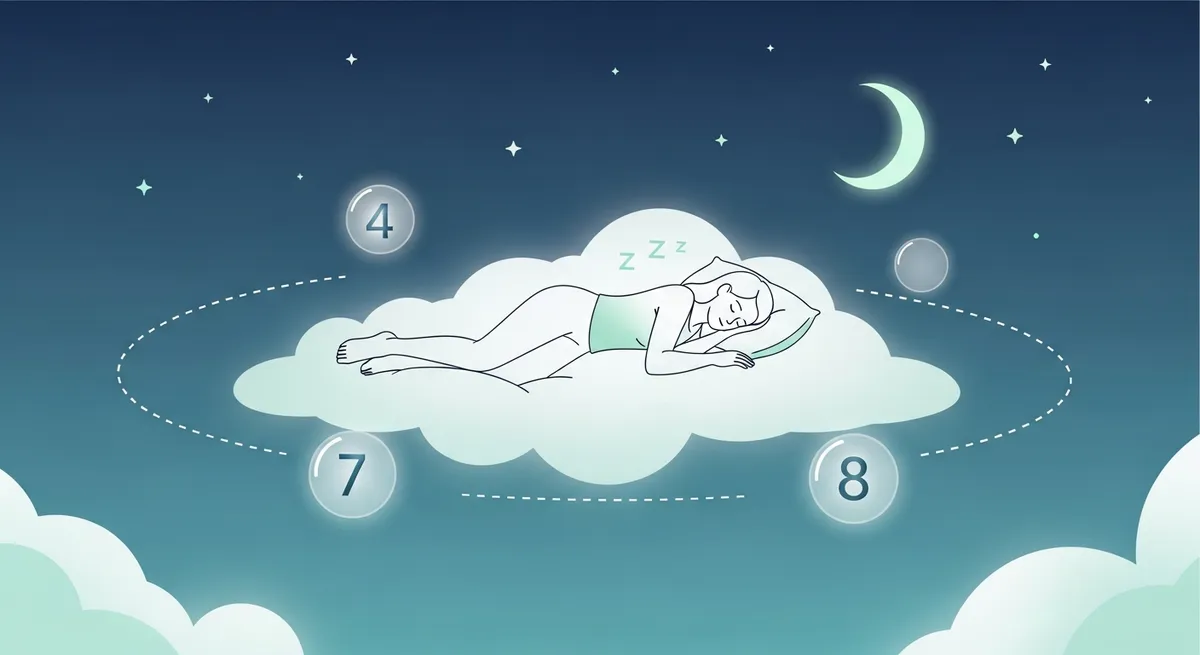
- Extended exhale breathing (4-8): 5 minutes of nasal inhale (4s) and nasal exhale (8s) to activate the vagus nerve and prepare the nervous system for sleep.
During the night: maintaining nasal breathing
- Mouth taping: a small piece of surgical tape at the center of the lips keeps the mouth closed. The technique is popularized by Dr. Patrick McKeown and James Nestor, but a systematic review (Rhee et al., 2025) found insufficient evidence and flagged risks, especially with a blocked nose. Do not use it if you have diagnosed apnea or nasal obstruction without medical advice.
- Lateral position: in many people, apneas are more frequent on the back; sleeping on your side then markedly reduces episodes. Use a body pillow or sew a tennis ball into the back of your pajamas to prevent rolling over.
- Head elevation: elevating the head 15-20° (with a wedge pillow or by tilting the bed) reduces gravitational tongue fallback.
The Buteyko method and sleep apnea
According to Dr. Konstantin Buteyko's theory, people with sleep apnea chronically hyperventilate during the day. This hyperventilation would reduce blood CO₂, which, according to this hypothesis:
- Increases respiratory control instability during sleep.
- Causes airway narrowing (CO₂ is a natural bronchodilator — less CO₂ = narrower airways).
- Makes the nervous system more reactive, promoting micro-awakenings.
The Buteyko method for apnea is based on:
- Exclusive nasal breathing: 24/7, including during physical exercise.
- Reducing breathing volume: breathe less, not more. Each breath is gentle, silent, diaphragmatic.
- Increasing BOLT score: progressive breath-hold exercises to increase CO₂ tolerance from 15 to 30+ seconds.
The evidence remains thin: reviews of breathing retraining in sleep apnea (Courtney, 2020) consider these approaches potentially helpful (14 studies, few of them controlled trials); for the Buteyko method, the data come mostly from surveys and small studies, with no reliable figure on the apnea-hypopnea index.
Lifestyle factors that matter
- Weight: in a large US cohort (Peppard et al., 2000), a 10% weight gain increased the apnea-hypopnea index by about 32%, and a 10% weight loss reduced it by about 26%. Cervical fat compresses airways.
- Alcohol: alcohol relaxes pharyngeal muscles and can lengthen and multiply apneas. Avoid alcohol within 3 hours of bedtime.
- Tobacco: smoking inflames upper airways and is associated with a higher risk of apnea.
- Sedatives and sleeping pills: they relax airway muscles and worsen apnea. Paradoxically, sleeping pills can make your sleep worse.
- Exercise: regular exercise training reduces apnea severity even when weight changes little (about 6 fewer events per hour on average according to a meta-analysis, Iftikhar et al., 2014).
When to see a doctor
Respiratory retraining is a powerful complement, but it doesn't replace medical diagnosis. See a doctor if:
- Your partner observes breathing pauses during your sleep.
- You wake up gasping or choking.
- Your daytime fatigue is debilitating despite adequate sleep time.
- You involuntarily fall asleep during the day (while driving, in meetings).
- You have treatment-resistant hypertension.
A doctor can order a polysomnography (sleep study) to measure your AHI and determine your apnea severity. For severe forms (AHI > 30), CPAP remains the first-line treatment.
Conclusion
Sleep apnea isn't inevitable. Beyond medical treatments, respiratory retraining offers an accessible complementary approach: nighttime nasal breathing, myofunctional exercises, the Buteyko method, and sleep position optimization. Practiced regularly, some of these techniques, especially myofunctional exercises, can reduce apnea severity and improve the quality of your nights — always in coordination with your doctor. The BreathLife app supports you with breathing exercises and adapted pre-sleep protocols.