
Introduction: the hidden link between breath and creativity
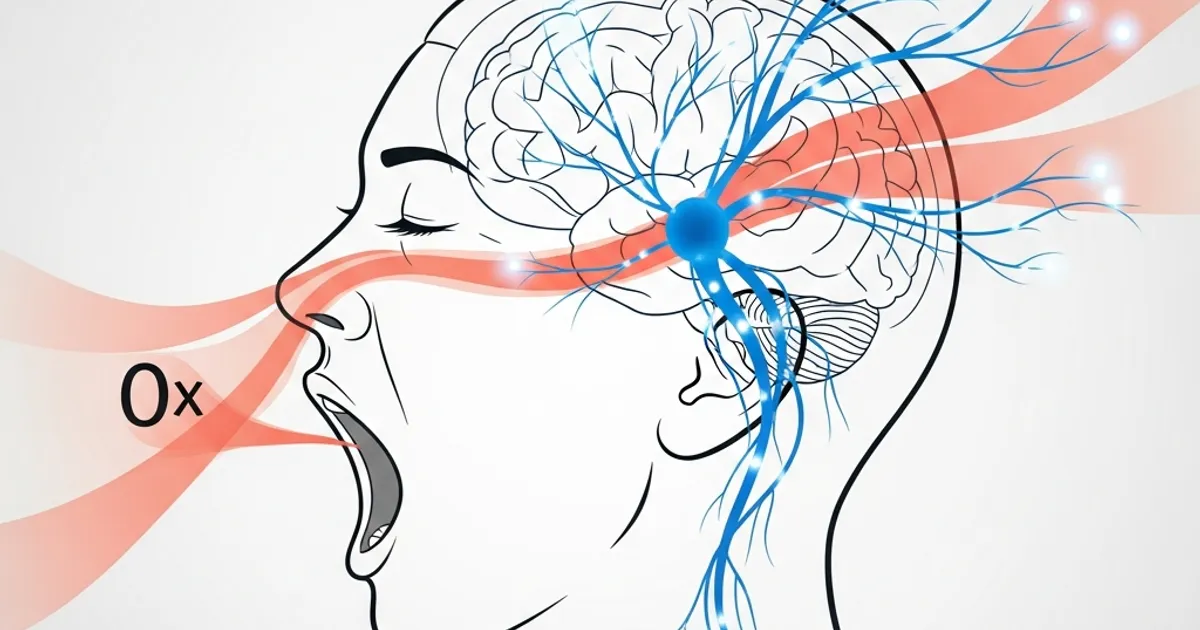
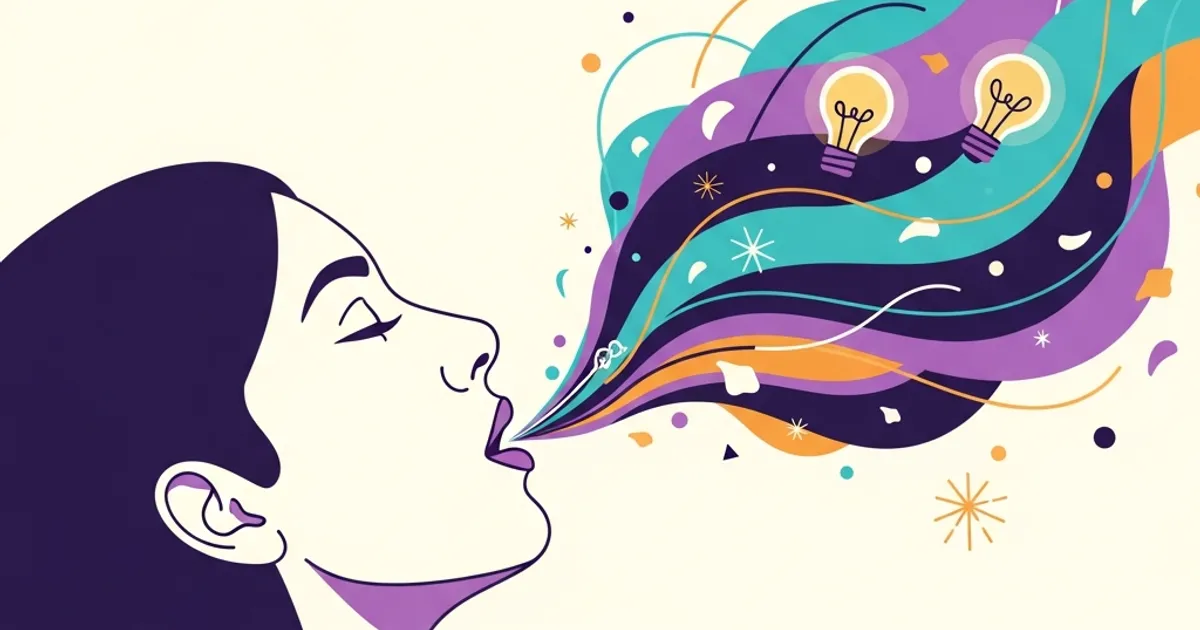
Languages worldwide use the same word for breath and creative inspiration. In Latin, inspirare literally means "to breathe into." In Greek, pneuma means both vital breath and creative spirit. This link may be more than a coincidence: neuroscience shows that breathing rhythm influences brain activity (Zelano et al., 2016; Zaccaro et al., 2018), although its direct effect on creativity remains little studied.
Generating new ideas is often accompanied by a rise in alpha waves, a sign of inward-directed attention (Fink and Benedek, 2014). This shift can't be commanded directly... but slow breathing helps create favorable conditions. Here's how.
Neuroscience of respiratory creativity
Brain waves and breathing
The brain operates on different "frequencies":
- Beta waves (13-30 Hz): concentration, analysis, logical thinking. Dominant when stressed or in "task mode."
- Alpha waves (8-13 Hz): attentive relaxation, waking daydream. EEG studies link a rise in alpha waves to the generation of original ideas.
- Theta waves (4-8 Hz): deep insight, unusual idea associations, "eureka moments." Present just before falling asleep and during deep meditation.
Slow, deep breathing (around 6 breaths/minute) is accompanied by an increase in EEG alpha waves, according to a systematic review (Zaccaro et al., 2018). This is the rhythm of cardiac coherence.
The Default Mode Network
Creativity is associated with the Default Mode Network (DMN) — a brain network active when you're doing "nothing," involved in daydreaming and unexpected idea associations. Creative ideas arise mainly from its cooperation with attention-control networks (Beaty et al., 2016). The idea that slow breathing favors this mode remains a hypothesis, but it matches a common experience: ideas that come in the shower, while walking, or meditating — moments of naturally slow, relaxed breathing.
Breathing techniques for creativity
Alpha breathing (before creating)
5 minutes before starting creative work:
- Inhale 5 seconds through your nose.
- Exhale 5 seconds through your mouth.
- Eyes closed, let images and ideas float freely.
- Don't judge anything. Simply observe what emerges.
This slow, eyes-closed breathing promotes a state of relaxed attention associated with alpha waves.
Alternate breathing for brainstorming
Alternate nostril breathing (Nadi Shodhana) is said, in the yogic tradition, to "balance" the two brain hemispheres. Science hasn't confirmed this effect (and the logical-left-brain / creative-right-brain split is a myth), but it is a slow, soothing breath that helps you refocus before group thinking.
- Block right nostril, inhale through left (4 seconds).
- Block left nostril, exhale through right (4 seconds).
- Inhale through right (4 seconds).
- Block right, exhale through left (4 seconds).
- 3 minutes before brainstorming, to arrive with a clearer mind.
Light hyperventilation for creative energy
For moments when you need raw creative energy — a writing sprint, painting session, musical improvisation:
- 30 fast, deep breaths through the nose (light breathwork style).
- Hold breath 15 seconds with lungs empty.
- Big inhale, hold 15 seconds with lungs full.
- Resume normal breathing and dive immediately into creation.
Caution: this technique is stimulating and can cause dizziness or tingling. Practice seated, never in water or while driving, and avoid it if you are pregnant or have epilepsy or a heart condition. Don't use it if you're seeking subtlety or relaxation.
Entering flow state
Flow — that optimal concentration state where time disappears and creativity flows effortlessly — is every creator's holy grail. Breathing can support each of its phases:
- Phase 1 (struggle): normal frustration at the start of work. Breathe in cardiac coherence to stay calm despite resistance.
- Phase 2 (release): after 15-20 minutes of work, the brain shifts. Let your breathing become natural and fluid.
- Phase 3 (flow): breathing automatically becomes slow, deep, and regular. Don't disturb it — you're in the zone.
- Phase 4 (recovery): after flow, fatigue arrives. 5 minutes of slow breathing to recover without crashing.
Unblocking writer's block
Writer's block, creative blocks, inspiration drought are often symptoms of prefrontal cortex over-activation. You're trying too hard. Analyzing instead of creating. Breathing can help:
- Close your eyes. 10 slow breaths, counting down from 10 to 1.
- With each exhale, release a tension (shoulders, jaw, forehead).
- At "zero," open your eyes and write/draw/play the first thing that comes — without filtering.
This is the breathing equivalent of freewriting: you bypass the inner critic by going through the body.
Conclusion
Creativity doesn't wait for divine inspiration — it's cultivated. And breathing is the most natural fertilizer there is. By calming you down, turning your attention inward, and quieting your inner critic, a few minutes of conscious breathing can open doors that hours of forced thinking keep closed. Breathe, then create.