
Key takeaways
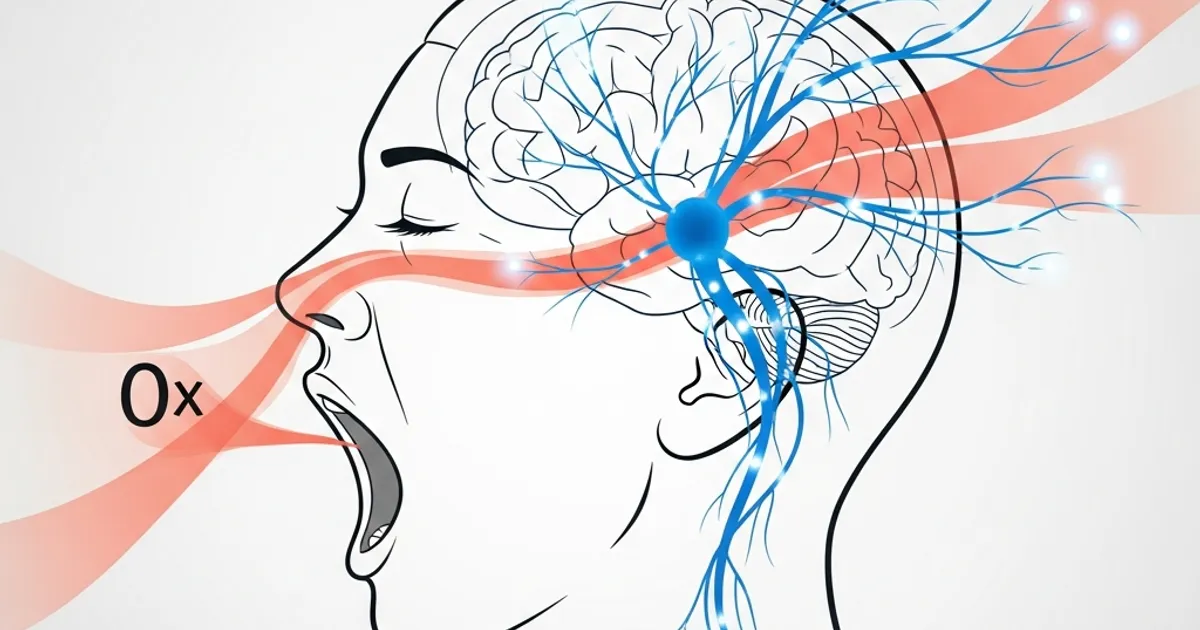
DMT breathing is the name social media gives to an intense breathwork routine: rounds of fast, deep breathing (voluntary hyperventilation) followed by breath holds, often sold as a way to make your brain "release DMT." The breathing is real and the sensations are real. But no published study has measured a rise in DMT in a human being during or after breathwork. What has been measured is a sharp drop in carbon dioxide, and that drop explains the tingling, dizziness, euphoria and, for some people, visions.
- No human data on DMT release: to date, no study has measured DMT in people during or after breathwork. "Breathwork DMT release" is a hypothesis, not a finding.
- Endogenous DMT does exist: a 2019 study showed that the rat brain makes DMT at concentrations comparable to serotonin (Dean et al., Scientific Reports).
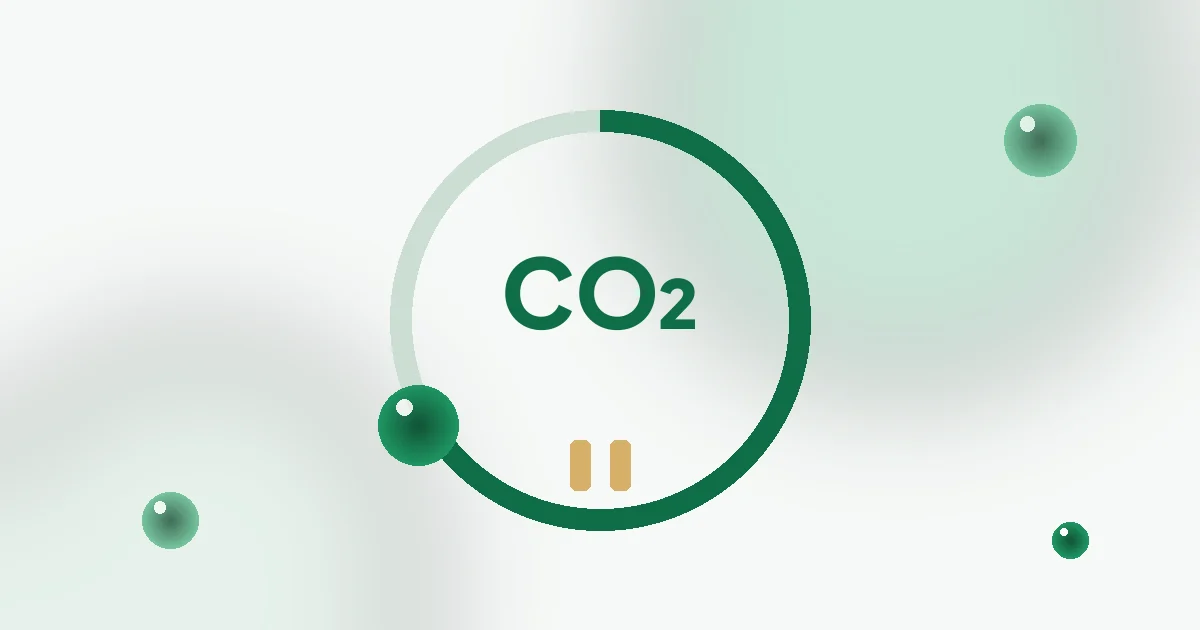
- Low CO₂ is the measured mechanism: in a 2025 study of 2 breathwork styles, the fall in exhaled CO₂ correlated with the onset of altered states (r = −0.46, Havenith et al.).
- 3 short rounds at most, seated or lying down. Never standing, in water, while driving, or alone the first time.
- Clear no-go list: epilepsy, pregnancy, heart disease, uncontrolled high blood pressure, a history of psychosis or bipolar disorder, panic attacks, glaucoma and recent stroke.
What is DMT breathing?
DMT (N,N-dimethyltryptamine) is a powerful psychedelic molecule. It is found in many plants, including those used to brew ayahuasca, and in trace amounts in the human body. As a drug, it is a controlled substance in most countries.
"DMT breathing" is not a codified method. It has no founder, no manual and no standard protocol. Most videos sold as a DMT breathing technique share the same structure, though:
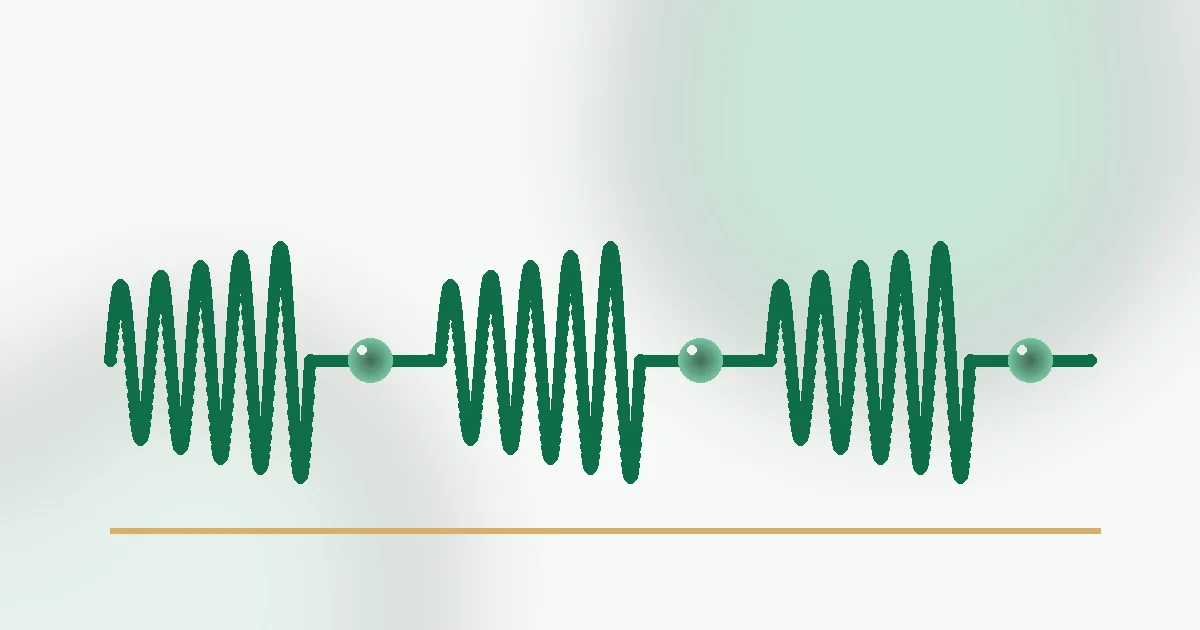
- 30 to 40 deep, fast breaths (sometimes more), through the mouth or the nose, with no pause between them;
- an exhale, then a breath hold on empty lungs "for as long as you can";
- a big inhale held for 15 to 30 seconds, sometimes while squeezing the pelvic floor, belly and throat to "push the energy up to the head";
- 3 to 5 rounds, often with music and a visualization of the pineal gland.
In other words, it is very close to the Wim Hof Method without the cold exposure, and a short cousin of conscious connected breathing and holotropic breathwork. What changes is the promise attached to it.
Where the DMT idea comes from
The link between breath and DMT largely traces back to psychiatrist Rick Strassman's book DMT: The Spirit Molecule (2000). He speculated that the pineal gland might release DMT at birth, at death and during mystical states. It was an informed hypothesis, not a measurement. Online, it became a shortcut: "intense breathing = pineal gland = DMT = trip." For the broader picture of altered states through breathing, read our companion guide on breathing and altered states of consciousness. Here, we focus on one question: does breathwork release DMT?
How to practice DMT breathing more safely
If you decide to try it, this cautious version keeps the structure while cutting the riskiest parts: very long rounds, forced holds and squeezing.
- Set up safely. Sit with your back supported or lie on your back. Never standing, never in a bath, a pool or the sea, never in a car. The first time, have someone nearby. Practice on an empty or light stomach.
- Breathe deeply, let go. Take 15 to 30 breaths, fuller than normal but not maximal, about one breath every 2 to 3 seconds. Breathing through the nose slows things down and limits excess.
- Hold gently on empty lungs. After a relaxed exhale, pause your breath. Breathe again at the first strong urge. Do not chase a time.
- Take a recovery breath. Inhale fully and hold for 10 to 15 seconds, face and throat relaxed, with no squeezing. Exhale slowly.
- Rest, then stop. Breathe normally for 1 to 2 minutes between rounds. Three rounds at most. Finish lying down with 2 or 3 minutes of slow nasal breathing before you stand up.
Stop right away if you feel chest pain, palpitations, strong cramps, confusion, panic, or visual changes that do not fade. Breathe slowly through your nose with long exhales until it passes.
Common mistakes
- Adding rounds to "get further." More hyperventilation means lower CO₂ and stronger side effects, not more DMT.
- Squeezing hard with full lungs. Bearing down raises the pressure in your chest, reduces blood returning to the heart and can make you faint.
- Forcing the hold. After hyperventilating, the urge to breathe arrives late because CO₂ is low, not because you have more oxygen. Oxygen keeps falling during the hold. That is how people black out without warning, and why water is off-limits.
A cautious practice by level
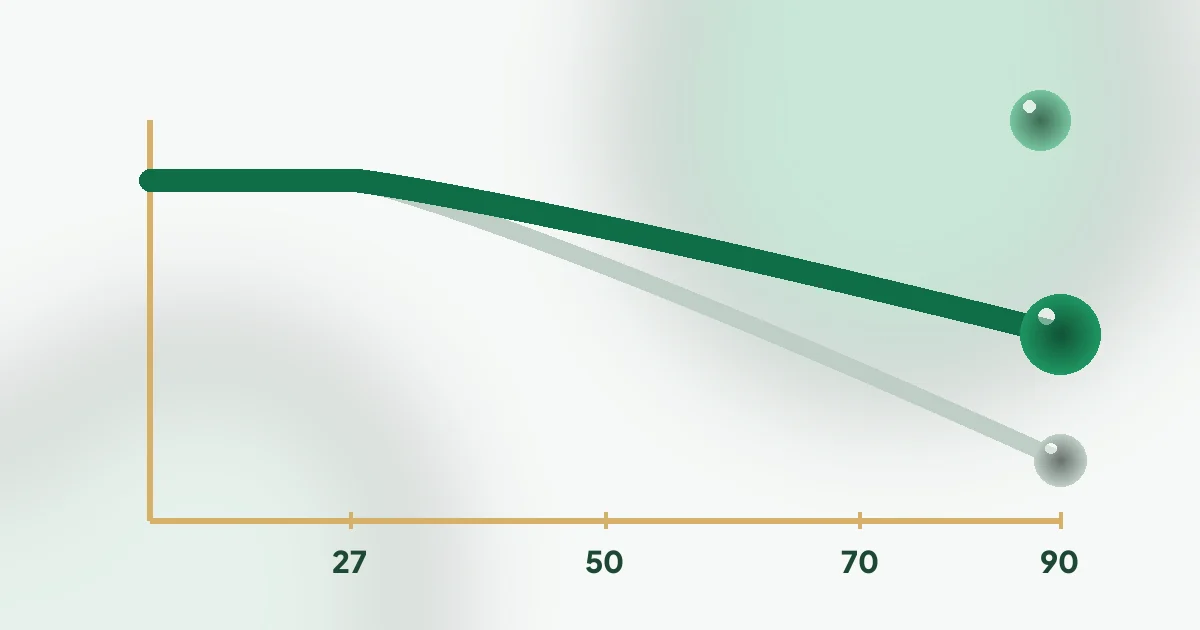
The figures below are not rhythms from the BreathLife app, which offers no DMT breathing. They are cautious editorial guidelines, not validated by any study, to scale the routine to your CO₂ tolerance. Your level comes from the breathing age test: after a full exhale (all the air out), you time how long it takes until the first urge to breathe (60 s max). For an adult under 40, as a rough guide: up to 12 s, Tight; up to 25 s, Short; up to 38 s, Optimal; under 60 s, Efficient; the full 60 s, Exceptional. The thresholds get lower with age.
| Level | Breaths per round | Empty-lung hold (ceiling, not a target) | Recovery hold | Rounds | Approx. time |
|---|---|---|---|---|---|
| Tight | 10 | 15 s | none | 1 | ~2 min |
| Short | 15 | 20 s | 10 s | 1–2 | ~2–5 min |
| Optimal | 20 | 30 s | 10 s | 2–3 | ~5–8 min |
| Efficient | 25 | 45 s | 15 s | 3 | ~10 min |
| Exceptional | 30 | 60 s | 15 s | 3 | ~11 min |
The lower your score, the faster hyperventilation brings dizziness and cramping. At the Tight level, our honest advice is to skip DMT breathing for now and build CO₂ tolerance first with gentle exercises. Hold times are always a ceiling: if the urge to breathe comes earlier, breathe.
What science says: does breathwork release DMT?
Endogenous DMT is real
In 2019, a team at the University of Michigan found the enzyme needed to make DMT in the cerebral cortex, pineal gland and choroid plexus of rats and humans. In living rats, DMT levels in the cortex were similar to those of serotonin, with or without a pineal gland, and they rose after an induced cardiac arrest (Dean et al., 2019). The authors raise the possibility that the same happens in humans, without having shown it. A 2018 review by Steven Barker, one of the field's specialists, sums up decades of work: DMT is present in the human body, but its role remains unknown.
No measurement during breathwork
This is where the chain breaks. No published study has measured DMT in the blood, urine or brain of people doing breathwork. Measuring DMT in a living human brain is not currently feasible outside invasive procedures. A rat in cardiac arrest is not a person breathing on a yoga mat, and nothing shows that fast breathing increases DMT production. So when someone asks "does breathwork release DMT?", the honest answer is: we don't know, and nothing so far suggests it.
What is measured: the CO₂ drop
Hyperventilation does not add oxygen: your blood is already about 97 to 99% saturated at rest. What it does is flush out carbon dioxide. That drop, called hypocapnia, sets off a chain of effects:
- blood pH rises (respiratory alkalosis), less calcium is available to nerves and muscles, and nerves fire more easily: tingling in the lips and fingers, then "claw" cramps in the hands;
- CO₂ normally keeps brain blood vessels open; when it falls, they narrow and brain blood flow drops: lightheadedness, dizziness, distorted perception;
- hemoglobin releases its oxygen less readily when CO₂ is low (the Bohr effect), so tissues receive slightly less of it.
A 2025 study followed participants through Holotropic and Conscious-Connected sessions. The lower their exhaled CO₂ fell, the more likely an altered state of consciousness appeared (r = −0.46). On standard questionnaires, these states resembled psychedelic experiences, including ego dissolution, and their depth predicted better well-being and fewer depressive symptoms afterward (Havenith et al., 2025). Some authors were trained breathwork facilitators, which calls for caution. Still, the takeaway is clear: you don't need DMT to explain psychedelic-like sensations during breathwork.
What breathwork does measurably change
Breathwork can change your chemistry in documented ways. In a 2014 study, volunteers trained in Wim Hof-style breathing released far more adrenaline than untrained controls and showed a weaker inflammatory response to a bacterial toxin (Kox et al., 2014). Adrenaline was measured; DMT never has been. A 2023 review of high ventilation breathwork describes profound effects on subjective experience and on the nervous system, with potential benefits for mood and trauma that still need rigorous trials (Fincham et al., 2023). So any DMT breathing benefits you hear about, such as energy, emotional release or a lighter mood, should be read as the possible effects of intense breathwork in general, with evidence that is still young.
DMT breathing side effects and who should avoid it
The most common DMT breathing side effects come straight from low CO₂: tingling, cramps in the hands and around the mouth, dizziness, headache, nausea, a sense of unreality, fatigue afterward. Less often: anxiety or panic, intense emotions that are hard to manage alone, fainting. Hyperventilation is used in hospitals during EEGs to provoke seizures in some people with epilepsy, which says a lot about how strong the stimulus is.
Do not practice it if you have:
- epilepsy or a history of seizures;
- a pregnancy;
- heart disease, uncontrolled high blood pressure, or a recent stroke;
- a history of psychosis, bipolar disorder or panic attacks;
- glaucoma, or a retinal or eye condition that requires avoiding pressure spikes.
Avoid it as well during illness, after alcohol or drugs, or when you are very tired. BreathLife is not a medical device: if you have a respiratory or heart condition, are pregnant or have epilepsy, ask your doctor first. If you want intensity without hyperventilation, slow structured exercises such as ladder breathing or gentle breath holds work your CO₂ tolerance instead of crashing it.
DMT breathing vs. similar techniques
| Technique | Rhythm | Dominant effect | Best time |
|---|---|---|---|
| DMT breathing | 30–40 deep breaths, empty-lung hold, squeeze | Hypocapnia, intense sensations | Rarely, in a safe setting, if at all |
| Wim Hof Method | 30 deep breaths, empty-lung hold, 15 s recovery hold | Energy, adrenaline release | Morning, seated or lying down |
| Conscious connected breathing | Continuous breathing, no pause, 20 min to 3 h | Altered states, emotional release | With a trained facilitator |
| Kapalabhati | Short active exhales, about 1 per second, one series | Alertness, warmth | Morning, on an empty stomach |
What BreathLife does and doesn't do
The BreathLife app offers no DMT breathing and no prolonged hyperventilation, by choice: an app cannot screen your contraindications or catch you if you faint. Its most active exercise is "Energy Boost" (Kapalabhati): 35 to 200 breaths depending on your level, in a single series. For intensity without hyperventilation, "Ladder" (pyramid breathing) and "Gentle Hold" train CO₂ tolerance step by step. Everything starts with the free 60-second breathing age test, which sets the pace of the 14 voice-guided exercises, in 3-, 5- or 10-minute sessions. The 28-day programs start with a free first session, no credit card required.
Conclusion
DMT breathing is real breathwork wrapped in an unproven promise. The body does make DMT, but no one has shown that breathing harder makes it produce more. The trip-like sensations have a well-measured explanation: a sharp drop in CO₂ that changes blood chemistry and brain blood flow. If you are curious, try a short, seated, supervised version and respect the no-go list. And before pushing your breath anywhere, find out where you start with the free breathing age test: it takes 60 seconds.