
Introduction: when stress blocks thinking
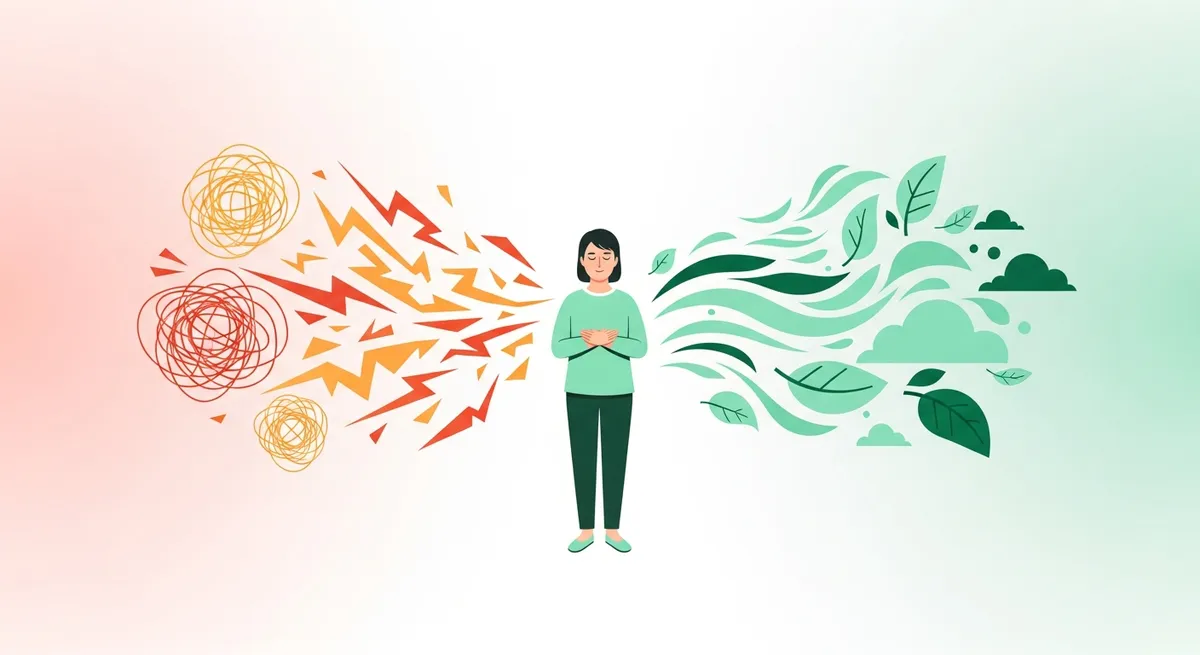
You've studied for weeks. You know your answers inside and out. Yet facing your exam paper or a recruiter, your mind goes blank. Memory freezes, ideas blur, words won't come. This phenomenon was popularized by Daniel Goleman as amygdala hijack. Under intense stress, the amygdala (involved in fear) takes over and the prefrontal cortex works less well — the brain region responsible for reasoning, working memory, and verbal expression.
Breathing is one of the fastest ways to bring this stress down. Within a minute or two, the right breathing technique can help you regain your calm and clarity.
The day before: preparing the nervous system
Extended cardiac coherence session
The evening before the exam or interview, do a 10-minute cardiac coherence session (instead of the usual 5). Inhale 5 seconds, exhale 5 seconds. This extended session helps you unwind and approach the night more calmly — and sleep is crucial for memory.
4-7-8 breathing at bedtime
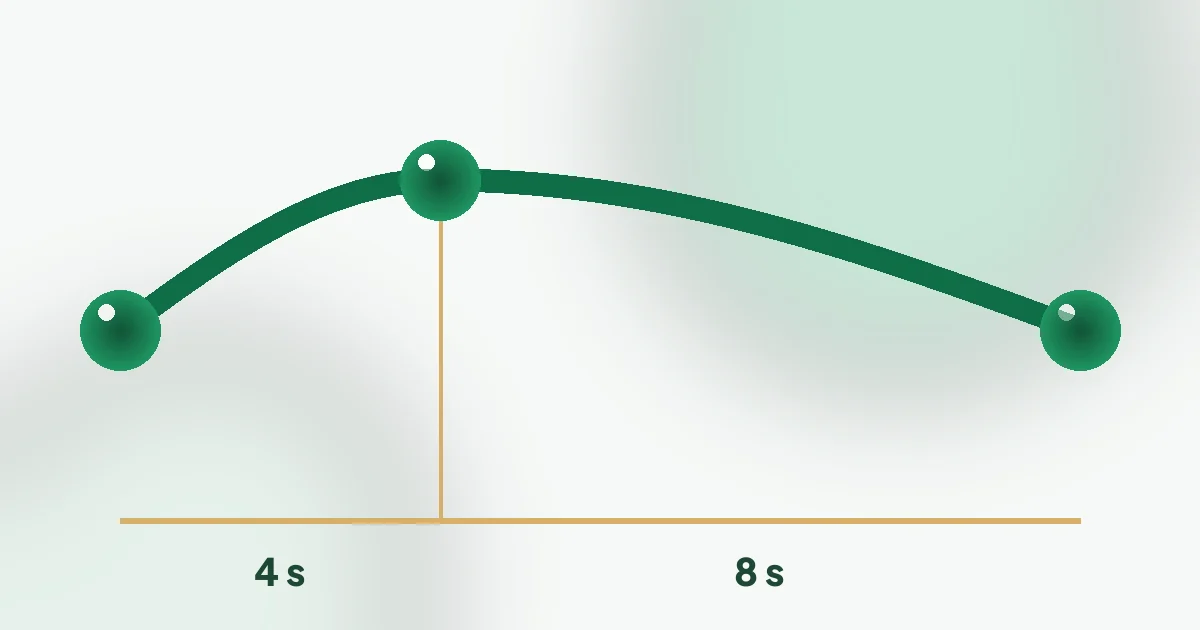
To fall asleep despite apprehension, use the 4-7-8 technique: inhale 4 seconds, hold 7 seconds, exhale 8 seconds. A few cycles help many people relax before falling asleep. Sleep will consolidate the day's studying.
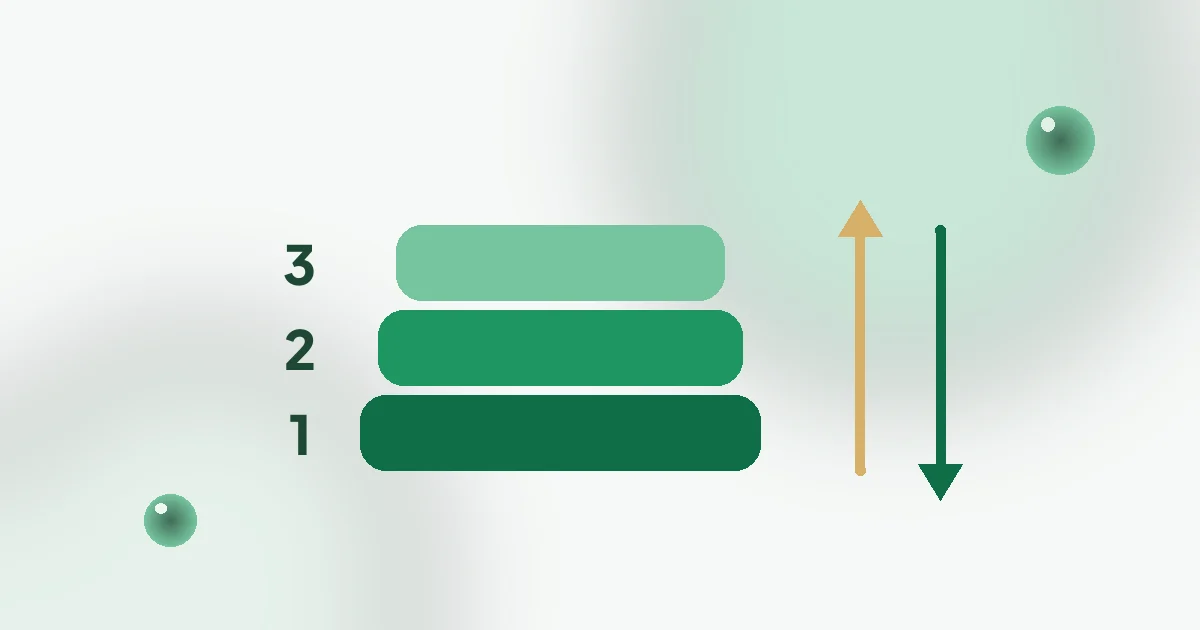
Day of: the 3-step protocol
Step 1: Morning (5 minutes)
Upon waking, before even checking your phone, sit and do 5 minutes of slow diaphragmatic breathing: inhale 4 seconds, exhale 6 seconds. This lets you start the day more settled, before stress builds up.
Step 2: Right before (2 minutes)
In the waiting room, hallway, parking lot — anywhere, discreetly:
- 5 physiological sighs: 2 short nose inhales + 1 long mouth exhale.
- Then 1 minute of box breathing: inhale 4s, hold 4s, exhale 4s, wait 4s.
The long exhales of the sighs slow the heart, then box breathing sets a slow, steady rhythm. Result: you arrive calmer, with your stress better managed.
Step 3: During (micro-techniques)
During the exam or interview, use invisible micro-breaths:
- Before each difficult question: 1 deep nose inhale, 1 slow exhale. 5 seconds, no one will notice.
- If you feel stress rising: set down your pen (or place hands on the table) and take 3 diaphragmatic breaths. 15 seconds that save performance.
- The grounding trick: while exhaling, feel the contact of your feet with the floor. This brings you back to the present and breaks the anxiety spiral.
Job interview specifics
Interviews add a social dimension to stress: someone is watching and evaluating you. Some specific tips:
- In the waiting room: adopt a "power pose" (feet apart, shoulders open) for 2 minutes while breathing deeply. A 2010 study by Amy Cuddy reported lower cortisol and higher testosterone, but a replication in a larger sample found no hormonal effect (Ranehill et al., 2015); still, standing tall while breathing calmly can help you feel more confident.
- Entering the office: smile, shake hands, and take 1 second to inhale before your first sentence.
- During silences: don't fill them compulsively. Breathe. A 2-second silence while you think shows composure.
The science behind the protocol
This protocol isn't a collection of "tricks" — it relies on known physiological mechanisms.
- The sigh is a natural reflex that serves, among other things, to reinflate the lungs' alveoli (Li et al., 2016); practiced deliberately and repeatedly, it improved mood in the Stanford study (Balban et al., 2023).
- Extended exhalation engages the vagus nerve, which slows the heart with each exhale.
- Box breathing, like other slow breathing patterns, increases heart rate variability, a marker associated with good stress regulation.
Conclusion
Exam or interview stress isn't your enemy — it's energy that's poorly channeled. With the right breathing protocol, you don't suppress stress: you transform it into focus, presence, and performance. Start practicing these techniques today, before the big day, so they become automatic reflexes when you need them most.