
Key takeaways
CO₂ tolerance is your body's ability to handle a moderate rise in carbon dioxide in the blood without triggering an urgent need to breathe. You train it with gentle breath hold training: short empty-lung holds, released at the first urge to breathe, never forced. The higher your tolerance, the slower, quieter, and more nasal your breathing at rest.
- The urge to breathe is driven mainly by rising CO₂ detected by chemoreceptors, not by a lack of oxygen: during a hold of a few dozen seconds in a healthy person, oxygen saturation barely moves.
- The BOLT score (Body Oxygen Level Test, also called the control pause) and the BreathLife breathing age test measure the same thing: how long you can hold after a normal exhale, until the first urge to breathe. Indicative ranges: under 10 s (Strained), 10–15 s (Tired), 15–20 s (Optimal), 20–25 s (Efficient), over 25 s (Exceptional).
- In Kiesel et al. (2017), a breath hold time under 25 s combined with 4 questions flagged dysfunctional breathing with a sensitivity of 0.89.
- BreathLife's "Gentle Hold" exercise is a 4-4-4-8 box pattern whose empty-lung hold is twice as long as the other phases: 6 cycles, 5 levels from 4-4-4-6 to 7-7-7-14.
- Non-negotiable safety rules: never in water, never while driving, no hyperventilation beforehand, and stop at the first strong urge to breathe.
What is CO₂ tolerance?
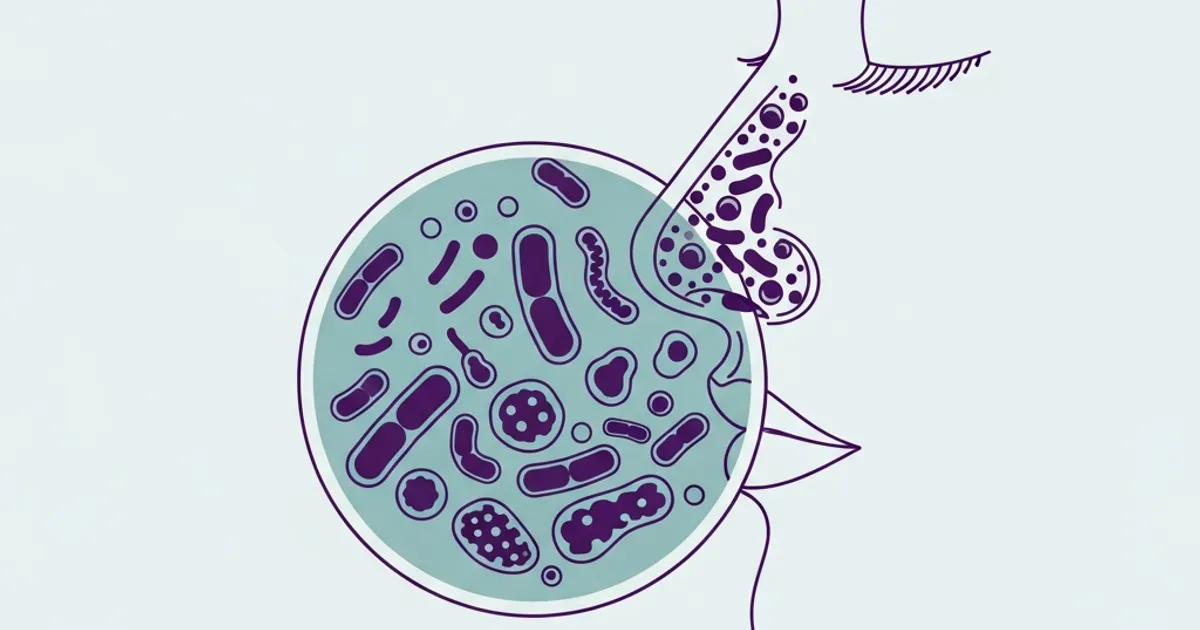
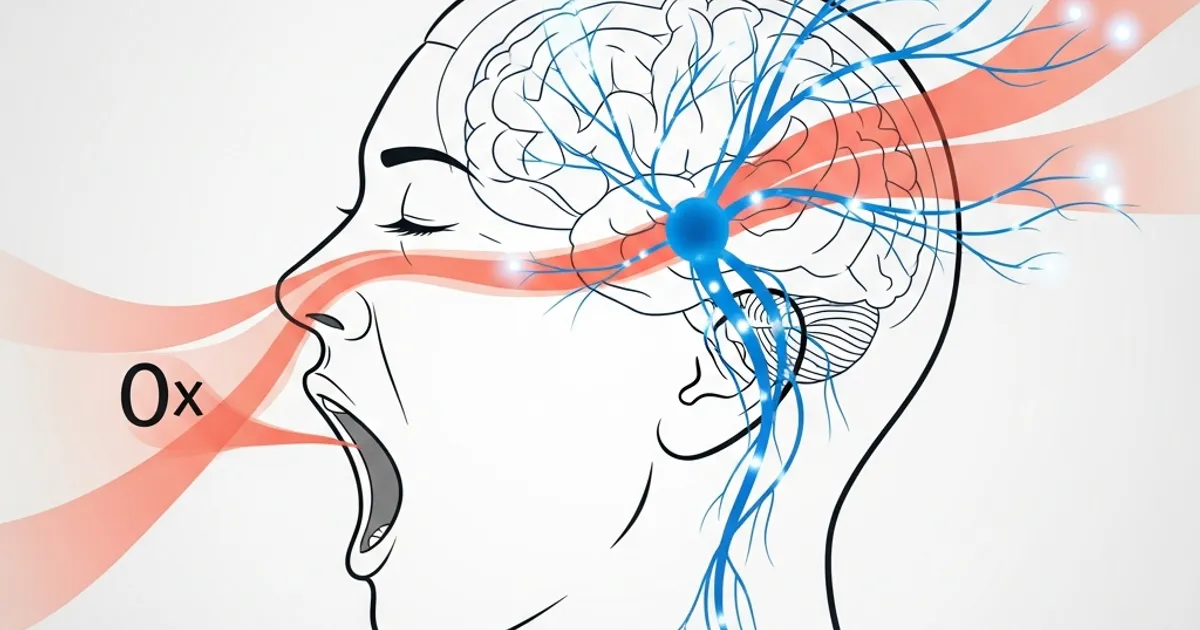
Your brain does not measure oxygen directly to decide when to take the next breath. It mostly tracks carbon dioxide. Chemical sensors, the central chemoreceptors in the brainstem and the peripheral ones in the carotid arteries, respond to rising CO₂ and the drop in blood pH that comes with it. Once a threshold is crossed, the urge to breathe appears and then becomes overwhelming. That threshold is not the same for everyone. It sits low in people who breathe too fast and too hard at rest, and higher in people who breathe calmly. This is what we call CO₂ tolerance.
Why does this matter? Because CO₂ is not just waste. Through the Bohr effect, described by Danish physiologist Christian Bohr in 1904, a higher CO₂ level helps hemoglobin release its oxygen to muscles and brain. Someone who over-breathes blows off too much CO₂, narrows blood vessels and airways, and paradoxically delivers oxygen less efficiently. We cover this mechanism in detail in our article on CO₂ as a health ally. As early as 1975, British physician L. C. Lum described chronic hyperventilation as "the tip of the iceberg" behind a long list of poorly explained symptoms.
Breath hold training targets exactly this threshold. By keeping your lungs empty for a few seconds, you let CO₂ rise slightly and teach your nervous system that the sensation is tolerable. With repetition, the trigger point moves later. In his reference review, Parkes (2006) notes that breath hold duration is prolonged by low CO₂ and shortened by high CO₂, and that the breakpoint is not simple oxygen starvation but a complex involuntary reflex.
What sets gentle holds apart from neighboring techniques comes down to three words: empty lungs, short, unforced. Competitive freediving or the Wim Hof method use long, full-lung holds after a round of heavy breathing that artificially lowers CO₂. Gentle holds do the opposite: no hyperventilation, a normal exhale, and a release well before any real discomfort. The approach comes from the Buteyko method, developed by Ukrainian physician Konstantin Buteyko in the 1950s and brought to a wider audience by Patrick McKeown with the BOLT score.
How to do breath hold exercises, step by step
- Sit upright with relaxed shoulders and feet on the floor. Never lying in a bath, never in a pool, never behind the wheel.
- Breathe through your nose quietly for a minute. Do not take big preparatory breaths: hyperventilating before a hold distorts the signal and can make you faint.
- Inhale through the nose for 4 seconds, gently, letting the belly rise.
- Hold with full lungs for 4 seconds, throat relaxed, without clamping the glottis.
- Exhale through the nose for 4 seconds, to a normal exhale, not squeezing the lungs empty.
- Hold with empty lungs for 8 seconds (6 at the first level). Pinch your nose if it helps. The moment you feel the first diaphragm contraction or a clear urge to breathe, take a calm nasal inhale. Repeat for 6 cycles.
Common mistakes: mouth breathing between cycles, gasping after the hold (a sign you pushed too far), tensing the shoulders and jaw, and above all chasing a record. The goal is not duration but consistency: a quiet, controlled recovery breath after each hold is the real marker of success.
Gentle Hold rhythms by level
One rhythm for everyone would be a mistake: a person whose hold lasts 8 seconds cannot follow 7-7-7-14 without straining. BreathLife therefore matches the exercise to the level measured by the breathing age test.
| Level | Inhale | Full hold | Exhale | Empty hold | Cycles | Approx. duration |
|---|---|---|---|---|---|---|
| Strained | 4 s | 4 s | 4 s | 6 s | 6 | 1 min 50 s |
| Tired | 4 s | 4 s | 4 s | 8 s | 6 | 2 min |
| Optimal | 5 s | 5 s | 5 s | 10 s | 6 | 2 min 30 s |
| Efficient | 6 s | 6 s | 6 s | 12 s | 6 | 3 min |
| Exceptional | 7 s | 7 s | 7 s | 14 s | 6 | 3 min 30 s |
How do you pick a level? Take the 60-second test: after a normal exhale, time how long until the first urge to breathe. Under 10 s is Strained, 10 to 15 s Tired, 15 to 20 s Optimal, 20 to 25 s Efficient, over 25 s Exceptional. These thresholds are indicative and shift with age, which is the idea behind respiratory age. Patrick McKeown sets a long-term BOLT target of 40 seconds, reached gradually, a few seconds per week. Stay at your measured level for at least two weeks before retesting.
Benefits of CO₂ tolerance training: what the science says
The first value of breath hold time is diagnostic. Courtney, Greenwood, and Cohen (2011) assessed 84 people concerned about their breathing with several tools: symptom questionnaires, breathing pattern analysis, end-tidal CO₂, and breath hold time. Their conclusion: dysfunctional breathing has at least three dimensions (biochemical, biomechanical, and symptom-related) that no single test captures, and breath hold time belongs among the functional measures a thorough assessment should include. Kiesel et al. (2017) then built a simple screen for coaches and physical therapists: a breath hold time under 25 s combined with a 4-item mini-questionnaire identified people failing all three dimensions with a sensitivity of 0.89 and a specificity of 0.60. In plain terms, a short hold is a reliable warning sign, even if it is not a diagnosis on its own.
The second value is physiological. Parkes (2006) shows that the central respiratory rhythm never stops during a breath hold; we only suppress its expression. The breakpoint depends on CO₂, oxygen, and lung volume, but also on receptors in the diaphragm itself. Regularly visiting this uncomfortable zone teaches the nervous system to respond later and less sharply, which shows up day to day as slower breathing and a steadier sense of calm.
The third angle is performance. Woorons et al. (2016) had 16 triathletes add two weekly sets of swim sprints performed with hypoventilation at low lung volume, swimming on nearly empty lungs, for 5 weeks. Times over 100, 200, and 400 m improved by 3.5 to 4.4%, with no change in the control group, alongside a higher glycolytic capacity. That is not seated gentle holding, but it confirms the body adapts to higher CO₂. We expand on these applications in breathing for sports performance.
Finally, the Buteyko method itself. Bruton and Lewith's 2005 review found four clinical trials in people with asthma: all reported improvement on at least one outcome (symptoms, reliever use, quality of life), but inconsistently and without evidence that CO₂ levels had actually changed. The authors call the hypothesis "attractive" but unproven. So we stay cautious: gentle breath holds appear to improve breathing comfort and hold time, but they do not treat a disease.
When to use gentle holds, when to avoid them
The best times are first thing in the morning on an empty stomach or late in the day, seated and quiet, away from meals (a full stomach restricts the diaphragm). They are useful before a trip to altitude to prepare the body for thinner air, before a workout to get used to breathlessness, or whenever your breathing age test has plateaued. Many practitioners also treat them as a focus exercise: paying attention to the first urge to breathe is a very concrete form of mindfulness.
Avoid them in the following situations: in or near water (hypoxia can cause blackout without warning), while driving or operating machinery, standing up if you are prone to dizziness, during an acute anxiety episode where the sense of air hunger can fuel panic, and right after eating. Never hyperventilate before a hold; that combination is the most dangerous one. A hold should never be pushed to violent diaphragm contractions.
BreathLife is not a medical device. If you have a respiratory or heart condition, are pregnant, or have epilepsy, ask your doctor before practicing. If you have asthma, keep holds very short and keep your reliever within reach.
Gentle holds vs. related techniques
| Technique | Rhythm | Main effect | Best time |
|---|---|---|---|
| Gentle Hold (this article) | 4-4-4-8, double empty hold | CO₂ tolerance, slower resting breathing | Morning, before training |
| Box breathing | 4-4-4-4, four equal phases | Instant calm, focus | Before a meeting or exam |
| Triangle breathing | 4-4-4, no empty hold | Grounding, simple reset | Midday break, beginners |
| Wim Hof method | 30 deep breaths then a long hold | Activation, adrenaline, cold tolerance | Morning, supervised, never in water |
The key difference: box and triangle breathing do not seek discomfort, they stabilize. Gentle Hold adds an extended empty-lung hold that deliberately targets the zone where CO₂ rises. The Wim Hof method first lowers CO₂ through heavy breathing, which lengthens the hold artificially and does not build the same tolerance.
How BreathLife guides Gentle Hold
In the BreathLife app, the exercise is called "Gentle Hold." It uses exactly the five rhythms in the table above, selected automatically from your latest breathing age test. The guided voice, in English or French, announces each phase so you never have to count, and a session lasts 3, 5, or 10 minutes depending on your choice. Your daily streak and the joker help you stay consistent, and the Sunday group session at 8 pm lets you practice at the same time as other members. It is the exercise that most directly prepares you for the test, since it trains the very empty-lung hold the test measures.
Conclusion
CO₂ tolerance is one of the most practical levers for turning fast, shallow breathing into slow, calm breathing. It takes less than a minute to measure, a few minutes a day to train with gentle, unforced, empty-lung holds, and progress shows up on the stopwatch week after week. Start by measuring your baseline: take the free breathing age test, then let the Gentle Hold exercise adapt to your level.