
Introduction: your breathing feeds billions of bacteria
Every day, you inhale approximately 10,000 liters of air. This air doesn't just contain oxygen and nitrogen: it carries thousands of bacteria, viruses, fungi, and spores. For a long time, medicine considered the lungs a sterile organ. That's wrong. Your respiratory system hosts a rich and complex microbiome — communities of microorganisms that play a part in your immunity and respiratory health.
And how you breathe — through nose or mouth, slowly or quickly, deeply or shallowly — might influence this microbiome. It's a research avenue that remains largely unexplored: here's what we know, and what has yet to be shown.
The nasal microbiome: your first line of defense
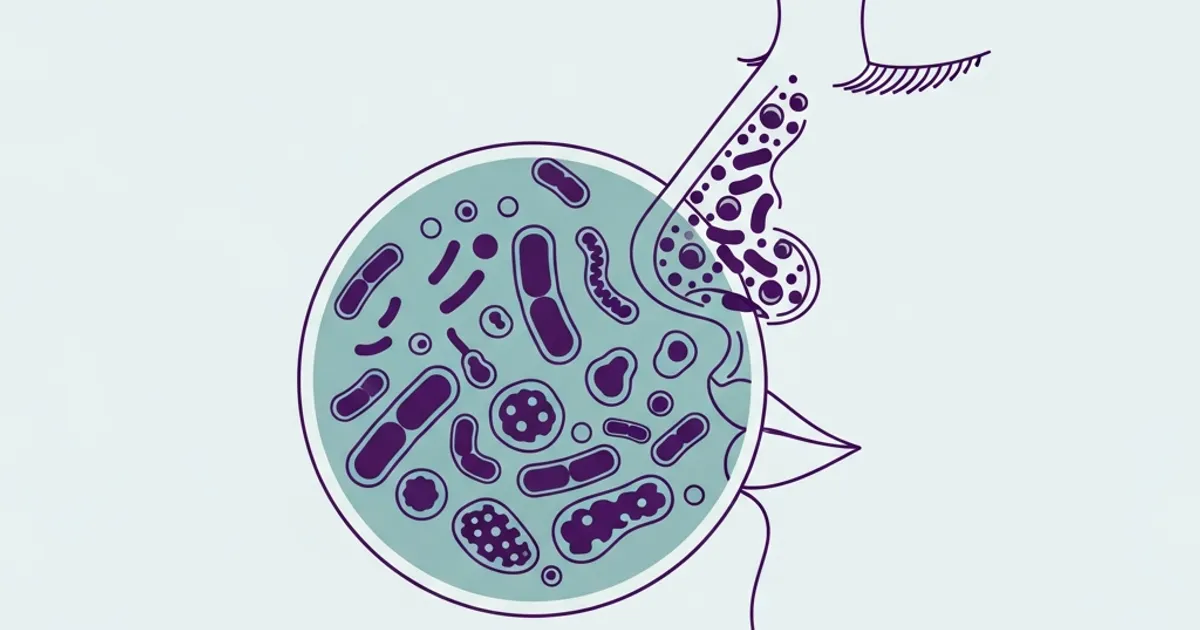
The nose isn't just a tube. It's a sophisticated ecosystem. Nasal mucous membranes harbor commensal ("beneficial") bacteria that:
- Produce bacteriocins — natural antibiotics that kill pathogens.
- Occupy space, preventing pathogenic bacteria from establishing (ecological competition).
- Train the local immune system to distinguish "self" from "non-self."
When you breathe through your mouth, you bypass this defense. Less filtered and less humidified air reaches the lower airways more directly. The effect of chronic mouth breathing on the nasal microbiome itself, however, remains little studied.
Nasal breathing isn't just about mechanical filtration — it may also be about microbial ecology.
The lung microbiome: an organ within an organ
Since the 2010s, genetic sequencing has revealed that lungs host their own microbiome — different from the nose and mouth. This pulmonary microbiome is dominated by bacteria from the Prevotella, Veillonella, and Streptococcus genera. Its composition depends mainly on the balance between three factors (Dickson et al., 2016):
- What comes in: inhaled air and, above all, tiny amounts of aspirated saliva, especially during sleep.
- What gets cleared: coughing, the carpet of cilia that moves mucus upward, and immune defenses.
- Local conditions: oxygen, temperature, nutrients, inflammation.
Breathing mode might play a role in the first factor: nasal breathing filters the air and enriches it with nitric oxide produced by the sinuses, a molecule with antimicrobial properties (Lundberg, 2008). Diaphragmatic breathing, for its part, better engages the lung bases. But no study has yet shown that a breathing technique changes the lung microbiome.
The gut-lung axis: bidirectional communication
The most surprising discovery of recent years: the lung microbiome and gut microbiome communicate. This "gut-lung axis" works both ways:
- From lungs to gut: a respiratory infection can be accompanied by changes in gut flora, mostly described in animals.
- From gut to lungs: gut bacteria produce short-chain fatty acids (SCFAs) that help regulate pulmonary immunity. A balanced gut microbiome appears to contribute to defense against respiratory infections (Enaud et al., 2020).
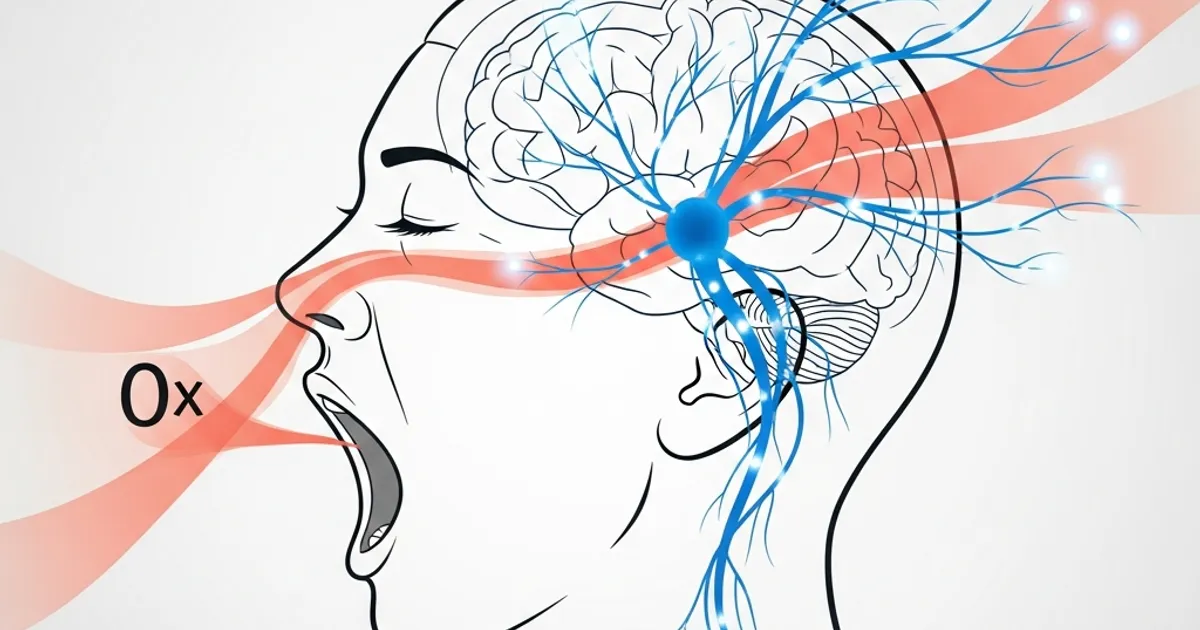
And the breathing connection? It remains hypothetical. This axis works mainly through the blood and the immune system. The vagus nerve, which slow breathing engages, does connect the brain to both the lungs and the gut (Breit et al., 2018), but no study has shown that slow breathing changes either microbiome. Breathing and digestion are far more connected than previously thought.
Practical implications
Breathe through your nose to protect your microbiome
Nasal breathing filters out some particles and germs, keeps mucous membranes moist, and enriches air with antimicrobial nitric oxide: good reasons to favor it, even if its effect on the microbiome remains to be shown.
Breathe deeply to ventilate the entire lung
Shallow breathing mainly engages the upper chest. Diaphragmatic breathing better engages the lung bases and improves breathing comfort; an effect on the lung microbiome, however, has never been measured.
Breathe slowly to nourish the gut-lung axis
Cardiac coherence (6 breaths/minute) engages the vagus nerve and helps manage stress, which also weighs on digestion and the immune system. A direct effect on the gut-lung axis remains a hypothesis.
A rapidly expanding research field
Respiratory microbiome research is still in its early stages. The open questions are fascinating:
- Can breathing "heal" an unbalanced microbiome (dysbiosis)?
- Can specific breathing exercises modify bacterial composition in favor of protective species?
- Is air pollution's impact on the respiratory microbiome mitigated by nasal breathing?
What's already established: these microbial ecosystems exist, communicate with each other, and contribute to your defenses. The exact role of breathing has yet to be clarified.
Conclusion
Next time you take a conscious breath through your nose, know that the air you inhale passes through a living ecosystem: your nose filters it, humidifies it and enriches it with nitric oxide before it reaches lungs that also host their own microorganisms. Science is only beginning to explore what your way of breathing changes in this balance — one more reason to follow this field of research.